
Boudoir Photography Poses: A Complete Guide to Stunning, Stylish & Sensual Boudoir Imagery
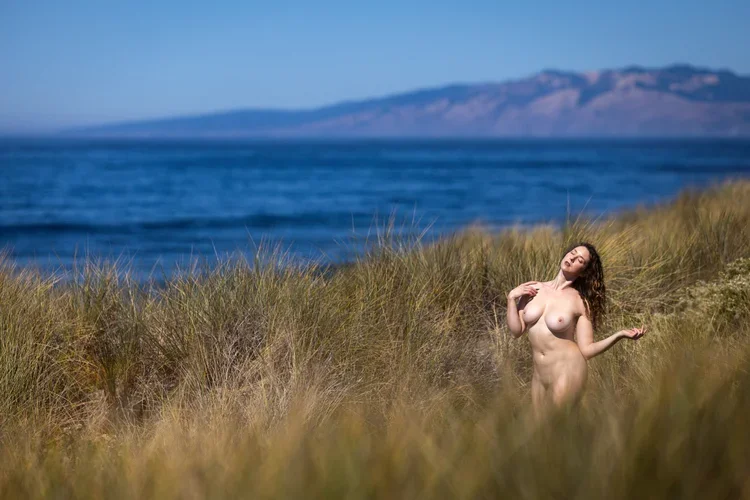
Boudoir photography is a beautiful blend of intimacy, artistry, and self-expression. At its core, boudoir is about celebrating confidence—capturing the soft, sensual, romantic, or bold sides of a person through thoughtful posing, creative direction, and intentional styling. Whether the goal is to create a heartfelt gift, mark a personal milestone, or experience a powerful moment of self-love, boudoir photography offers clients a safe, inspiring space to reconnect with their beauty.
Posing is one of the most essential elements of a successful boudoir photography shoot. The right boudoir photography poses can elongate the body, soften features, highlight curves, or create dramatic lines that elevate the entire visual story. From artistic boudoir poses that emphasize shape and shadows to playful boudoir poses that capture candid laughter and movement, the art of posing allows photographers to reveal emotion, personality, and mood in every frame.
As modern boudoir photography continues to expand across different aesthetics—chic, elegant, feminine, edgy, romantic, and editorial—posing has become even more important. Boudoir poses shapes not only how a body looks, but how a client feels during the session.
A photographer’s ability to guide expressions, adjust angles, and offer comfortable boudoir pose ideas helps clients relax, creating authentic images filled with confidence and charm. Whether using classic boudoir poses, sensual boudoir poses, or creative boudoir posing techniques, the intention is always the same: to celebrate the individual in front of the camera with style, beauty, and empowerment.
What Makes Boudoir Photography Unique
Boudoir photography stands apart from other genres because of its deep connection to intimacy, empowerment, and personal storytelling. Unlike traditional portrait sessions, boudoir is crafted to reveal emotion, softness, confidence, and vulnerability—all through subtle posing, thoughtful lighting, and meaningful direction. This genre encourages clients to express different sides of themselves, whether through romantic boudoir poses, bold and dramatic boudoir poses, or artistic boudoir poses that feel like fine-art editorial imagery.
Boudoir’s uniqueness also lies in its wide variety of styles. From classic boudoir photography with soft, elegant lighting to stylish boudoir photography with high-contrast aesthetics, the flexibility of this genre allows clients to choose the mood that resonates with them most. Whether intimate boudoir photography with minimal wardrobe or chic boudoir photography inspired by fashion magazines, each style brings its own beauty and sense of empowerment. Ultimately, boudoir photography is a celebration of individuality—capturing confidence, personality, and inner strength through visually stunning poses.
The Role of Boudoir Posing in Capturing Confidence
Boudoir posing plays a powerful role in shaping confidence and creating images that feel both flattering and emotionally compelling. The right pose can highlight curves, elongate the body, define the jawline, soften hands, and create feminine or dramatic silhouettes. Poses also set the entire mood of the photo—transforming an image from sensual to playful, romantic to bold, or candid to artistic with just small adjustments in angle or expression.
More importantly, thoughtful boudoir poses help clients feel confident, not just look confident. When a photographer gently guides someone into an elegant boudoir pose or offers creative variations to match their comfort level, clients begin to relax and embrace the experience.
This makes expressions more natural, movements more fluid, and the final images significantly more impactful. Whether capturing stylish boudoir photography poses, lingerie photography poses, or intimate close-ups, good posing creates a visual narrative that celebrates the client’s personality and beauty in a genuine, empowering way.
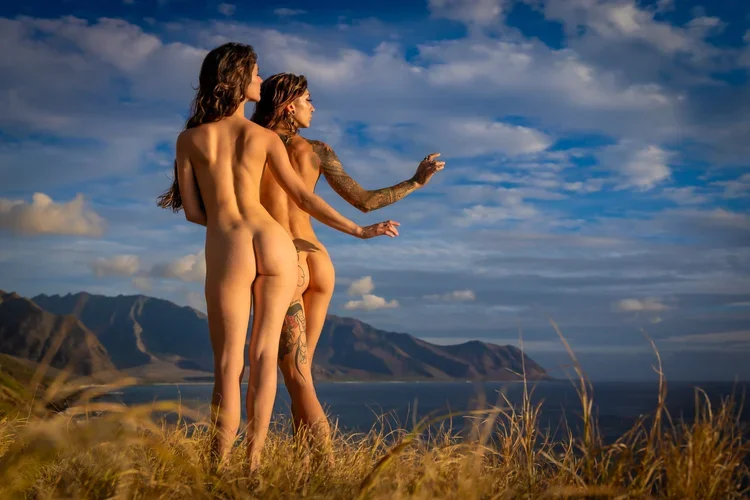
Essential Boudoir Photography Prep Tips
A successful boudoir photography session begins long before the camera clicks. Preparation is a major part of creating a comfortable, empowering environment where clients feel confident and excited to express themselves. The best boudoir photographers know that building trust, understanding personal preferences, and offering clear guidance can transform a standard session into an unforgettable experience. From learning a client’s style to demonstrating boudoir poses with confidence, these foundational steps help set the tone for beautiful, flattering, and emotionally rich images.
Whether the session calls for classic boudoir poses, playful candid moments, or more artistic boudoir photography, thoughtful preparation ensures that every pose, angle, and detail aligns with the client’s comfort and vision. Below are the essential elements that elevate your boudoir photography techniques and create a seamless, enjoyable experience for both the photographer and the subject.
Getting to Know the Client
One of the most important steps in successful boudoir photography is understanding a client and what they want from their boudoir session. A detailed questionnaire or pre-session consultation helps the photographer learn about the client’s style preferences, wardrobe ideas, music they enjoy, and the overall mood they’d love to capture. Some clients may lean toward elegant boudoir poses, while others prefer dramatic or playful boudoir poses—knowing this ahead of time helps shape the shoot.
Equally important is acknowledging insecurities or areas a client may feel unsure about. When a client openly shares their comfort level, limitations, or trouble spots, it allows the photographer to plan boudoir photography poses that are flattering, comfortable, and supportive. This builds trust and ensures the client feels seen and understood. Ultimately, this foundation of connection becomes the key to creating confident, relaxed, and beautiful images that reflect their personality.
Clear Communication & Demonstrating Poses
Communication is essential in boudoir photography, especially when guiding clients into poses they may have never tried before. Clear, encouraging directions help clients feel safe, confident, and excited about the shoot. Demonstrating poses yourself is one of the most effective tools—showing a pose visually often makes it easier for clients to mirror the movement naturally.
Using lighthearted cues or humor can also ease tension. Even something simple like “chin out like a turtle” when explaining how to define the jawline can spark laughter, creating candid boudoir poses and genuine expressions. Positive reinforcement is equally important; cheering your client on throughout the process reassures them that they’re doing beautifully. With supportive guidance, clients feel empowered, allowing boudoir pose ideas to flow more easily and authentically.
Mastering Angles & Changing Perspectives
Boudoir photography is deeply influenced by perspective. Even the most simple boudoir poses can transform with a slight change in angle or camera height. When a pose isn’t working perfectly, adjusting your position—shooting from above, from behind, or at eye level—can create a dramatically more flattering image. These small shifts allow you to highlight curves, elongate the body, enhance symmetry, or create a more artistic composition.
Changing perspective is also essential when working with different boudoir photography styles. For instance, dramatic boudoir poses often benefit from lower angles and strong shadows, while feminine boudoir poses may look best with soft, high-angle shots. The ability to adapt on the spot ensures that you never miss the most flattering version of any pose. This flexibility turns average shots into elegant, stylish boudoir photography.
Checking Details Before Shooting
In boudoir photography, the smallest details can make the biggest difference. Before taking the shot, it’s important to do a quick visual check of the scene and your client. Make sure the chin is lifted to define the jawline, hair is placed intentionally, shoulders and hands look soft, and wardrobe pieces are adjusted neatly. These subtle refinements elevate the overall image and prevent distractions that could take away from the beauty of the pose.
Paying attention to details ensures consistency across boudoir photography poses and helps clients feel polished and confident. Whether the client is in lingerie, a sweater, or a sheet, these finishing touches contribute to clean, professional imagery. This final pre-shutter check ensures every shot looks stylish, flattering, and thoughtfully composed.
The Core Categories of Boudoir Photography Poses
Boudoir photography offers a wide range of poses, each designed to evoke a specific mood, highlight the client’s natural beauty, and fit seamlessly into the chosen boudoir photography style. By dividing boudoir poses into clear, mutually exclusive categories, photographers can approach each session with structure and confidence while still leaving room for creativity. These categories help photographers plan ahead, provide clear direction, and introduce pose variations that feel flattering, comfortable, and authentic for every client.
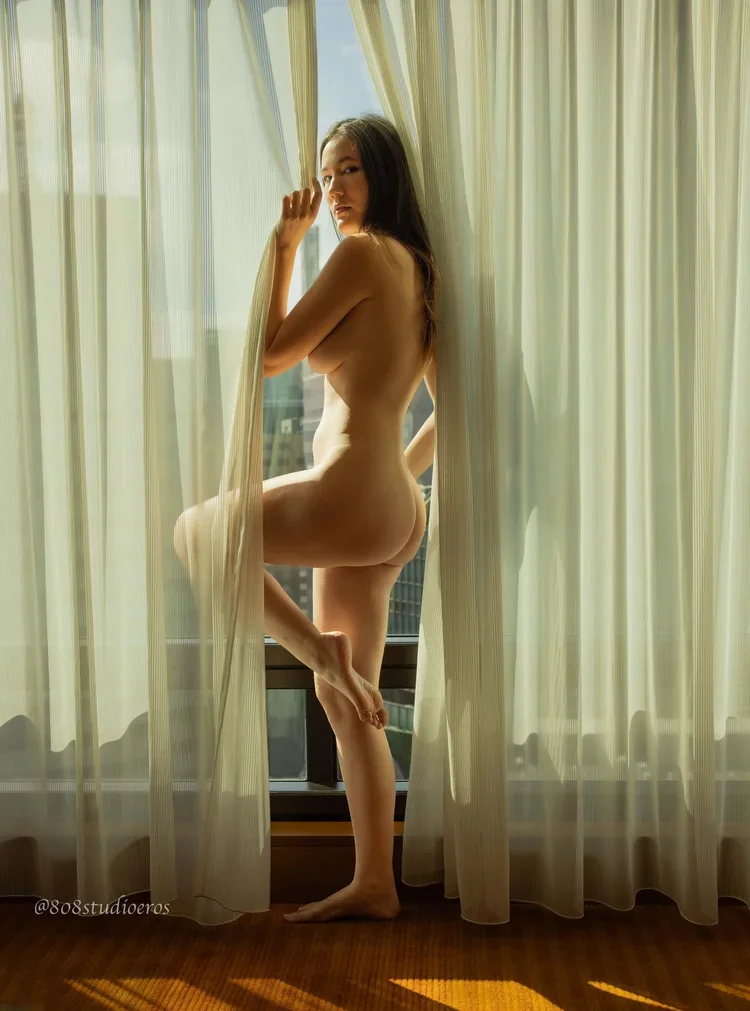
Standing Boudoir Poses
Standing boudoir poses create confident, elongated lines that often mimic fashion photography. These poses are ideal for clients who want an elevated, editorial-inspired look. Standing poses naturally enhance posture, lengthen the legs, and create beautiful silhouettes that suit both minimalist and stylish boudoir photography styles. They allow for full-body compositions while giving clients freedom to shift weight, play with their hands, and create dynamic variations.
Elegant & Classic Standing Poses
Classic standing boudoir poses focus on gentle curves and graceful lines. Soft shoulders, relaxed hands, and subtle hip angles help create a feminine, timeless look. These poses work beautifully with a variety of outfits—from lingerie sets to oversized sweaters—and provide a flattering combination of strength and softness. Classic standing poses are especially effective when working with natural light, allowing the client’s natural beauty and confidence to shine through.
Dramatic Standing Poses
Dramatic standing poses introduce bold shapes, strong silhouettes, and striking body angles. These poses often use intentional shadows, directional light, and expressive posture to create high-impact images. Arching the back, turning the chin toward the light, or placing weight on one hip can transform a simple stance into a powerful, cinematic moment. Dramatic boudoir poses are perfect for clients who love a confident, edgy vibe in their boudoir photography.
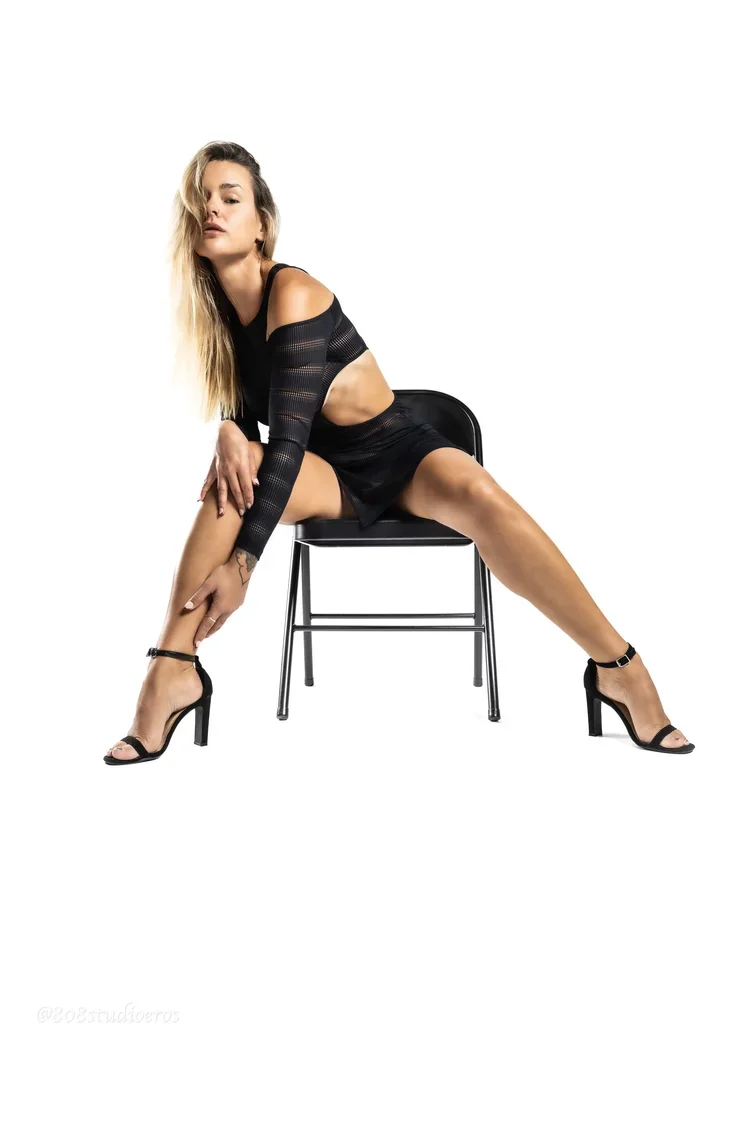
Seated Boudoir Poses
Seated poses offer an intimate, relaxed, and accessible approach to boudoir photography. These poses naturally create softness in the body, opening up opportunities for playful, candid, or romantic moods. Seated boudoir poses are ideal for clients who want a comfortable, approachable look while still maintaining the elegance and sensuality associated with boudoir shoots.
Playful & Candid Seated Poses
These poses capture spontaneous, joyful energy. Clients may lean forward with a laugh, adjust their robe or lingerie, or toss their hair in a way that feels natural and unscripted. Playful seated poses are perfect for candid boudoir photography, creating images that feel genuine, youthful, and full of personality. Movement is key—shifting weight, swinging legs, or lightly covering the face can all produce charming, authentic results.
Chic & Artistic Seated Poses
Artistic seated poses bring structure and intention to the frame. Clients may sit with elongated posture, cross their legs elegantly, or use their arms in creative ways to frame the face or body. These poses work especially well in modern, stylish boudoir photography because they add visual interest while maintaining sophistication. Using chairs, stools, or the edge of a bed can also introduce new angles and fresh composition ideas.
Reclining & Lying Down Boudoir Poses
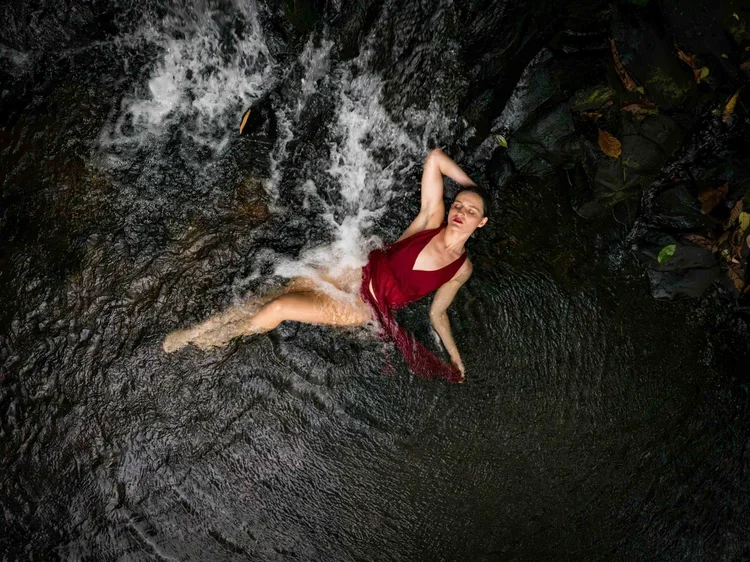
Reclining poses are some of the most flattering and versatile options in boudoir photography. These poses naturally elongate the body, emphasize curves, and create an intimate, relaxed atmosphere. They’re perfect for classic, sensual, or romantic boudoir photography styles and provide limitless pose variations.
Lying on the Back
Lying on the back offers glamorous, full-body compositions. Encouraging the client to lift their chin slightly helps define the jawline, while bending a knee or arching the back adds shape and dimension. Soft expressions, loose hair, and gentle hand placement elevate the final image. This flattering pose works beautifully with lingerie, sheets, or implied nudity, capturing both sensuality and elegance.
Lying on the Stomach
This pose is flirtatious, youthful, and incredibly flattering for most body types. When clients lie on their stomach, they can prop themselves up with their elbows, cross their ankles in the air, or rest their chin on their hands. This naturally creates a playful, inviting tone and enhances the curves of the hips and back. It’s a versatile choice for both romantic boudoir poses and candid boudoir photography.
Poses From Behind
Poses from behind are favorites among clients—and one of the top-selling boudoir poses highlighted in the referenced article. These poses highlight the natural curves of the back, hips, and legs while offering a sense of mystery and allure. They work exceptionally well with lingerie sets, draped fabrics, or silhouette lighting.
Elegant Back Arches
Back-arching poses accentuate feminine curves in a graceful, sculpted way. A gentle tilt of the head, soft placement of the arms, or a subtle twist in the waist can make the composition feel luxurious and refined. These poses are perfect for clients who want a sensual yet elegant look, and they pair beautifully with soft lighting or lace lingerie details.
Romantic & Sensual Over-the-Shoulder Looks
This variation adds emotional depth and connection. When clients glance back over their shoulder, the pose becomes simultaneously intimate and playful. Eye contact can intensify the image, while a soft smile or parted lips can shift the tone toward flirtatious or romantic. This pose works well for both close-up portraits and full-body compositions, making it a versatile addition to any boudoir session.
Close-Up & Intimate Portrait Poses
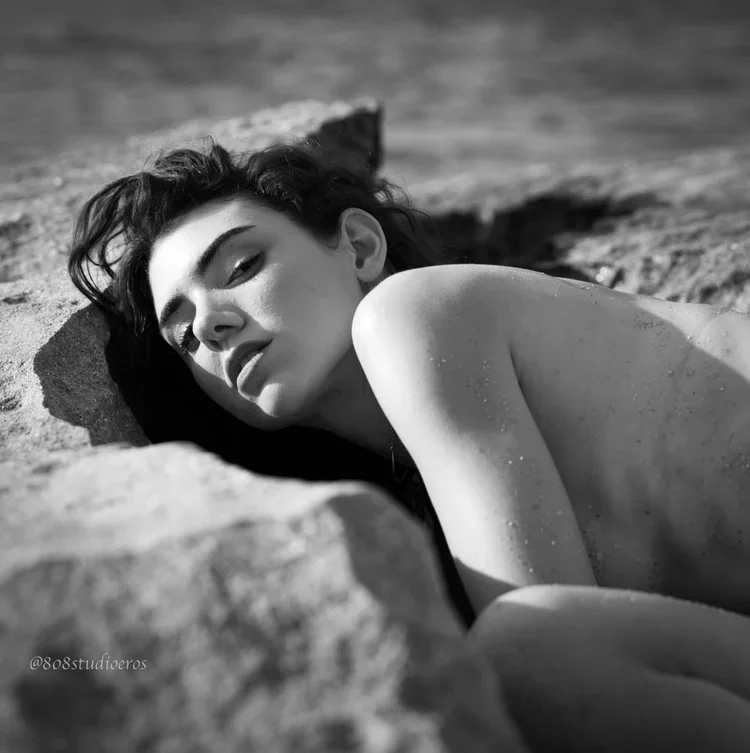
Close-up boudoir portraits focus on facial expressions, hands, jewelry, collarbones, or the gentle curves of the upper body. These poses highlight emotion and detail, capturing the subtle elements that make each client unique. They are perfect for artistic boudoir photography, chest portraits, and implied-nudity variations.
Face + Chest Portraits
This portrait style blends editorial elegance with intimate storytelling. Clients may wear off-the-shoulder sweaters, lingerie tops, robes, or even a sheet. Accessories—like chokers, delicate jewelry, or harness elements—add personality and style. These portraits allow the photographer to capture softness, sensuality, and emotion through subtle posing and expressive eye contact.
Creative Crops & Artistic Close-Ups
Creative close-ups highlight specific features such as lips, hands, collarbones, or eyelashes. These artistic crops allow photographers to experiment with composition and lighting in a way that feels abstract and visually intriguing. Soft hands near the face, gently touching the collarbone, or framing the cheeks can create intimate, feminine portraits that feel stylish and sophisticated.
Boudoir Photography Techniques for Perfect Posing
Boudoir photography is at its best when thoughtful posing blends seamlessly with strong technical execution. Great poses don’t stand alone—they’re elevated by flattering lighting, purposeful angles, and a photographer who knows how to guide expression and intention. When these elements work together, the result is imagery that feels sensual, confident, and beautifully crafted.
The foundation of perfect posing begins with understanding how the body interacts with light and lens perspective. Curves, lines, and silhouettes look dramatically different depending on where the light falls or how high or low the camera is positioned. A slight shift in light direction can emphasize texture in lingerie or highlight the arch of the back. A subtle change in angle can elongate legs, create stronger feminine lines, or refine jawlines—all without altering the pose itself.
Equally important is the emotional tone you set. Clients often need guidance on expression and mood, and your coaching is what helps them look both natural and empowered. Styling also plays a significant role: the right wardrobe choices support the pose, emphasizing the client’s shape while allowing comfort and movement. Whether you're draping your subject with a robe, styling soft sweaters for warmer moments, or selecting lingerie pieces that emphasize particular lines, every choice should enhance how the pose photographs.
Perfect posing isn’t just about body placement—it’s the harmony of lighting, angles, expression, and styling, all working together to shape the final image.
Lighting Techniques That Complement Posing
Lighting is one of the most powerful tools for enhancing a boudoir pose. Soft, diffused lighting smooths skin and creates flattering transitions across curves, ideal for delicate or intimate poses. Directional light—such as window light from the side—sculpts the body, emphasizing the natural flow of lines, highlights, and shadows. Shadows can also be intentionally deepened to create mystery, accentuate muscle tone, or highlight the shape of the waist, hips, or jawline. By pairing each pose with the right lighting approach, you create images that feel intentional, artistic, and emotionally engaging.
Using Lens Choice & Camera Angles
Your lens and shooting angle dramatically influence how a pose is perceived. Shooting from above softens the face, slims the frame, and highlights the eyes—perfect for lying-down or seated poses. Shooting from below lengthens the legs and creates a more powerful, statuesque feel, often ideal for standing or leaning poses. Capturing a subject from behind can emphasize curves and create a sense of intimacy. Wide lenses exaggerate curves and space, while longer lenses compress the scene for a more refined, cinematic look. The right combination of lens and angle elevates a simple pose into a stunning portrait.
Guiding Expression & Mood
Even the most beautifully technical pose can fall flat without genuine expression. Most clients aren’t professional models, so gentle coaching is essential. Soft prompts—like asking them to exhale slowly, think of a moment that makes them feel beautiful, or relax their lips—help evoke natural emotion. Small shifts in expression can communicate sultriness, playfulness, vulnerability, or strength. A relaxing environment, clear communication, and constant reassurance keep clients present and engaged, allowing authentic emotion to shine through every pose.
Styling & Wardrobe for Lingerie Photography Poses
Wardrobe is vital for supporting the flow and intention of each pose. Cozy sweaters pair well with seated or curled-up poses, adding softness and approachability. Robes and sheets offer movement and allow for implied nudity while keeping clients comfortable. Different lingerie styles—bodysuits, two-piece sets, strappy designs—highlight different areas of the body and can accentuate curves or elongate lines. Choose pieces that complement the client’s comfort level, the tone of the session, and the shapes created by each pose.
Creative Boudoir Posing Ideas for Every Boudoir Session
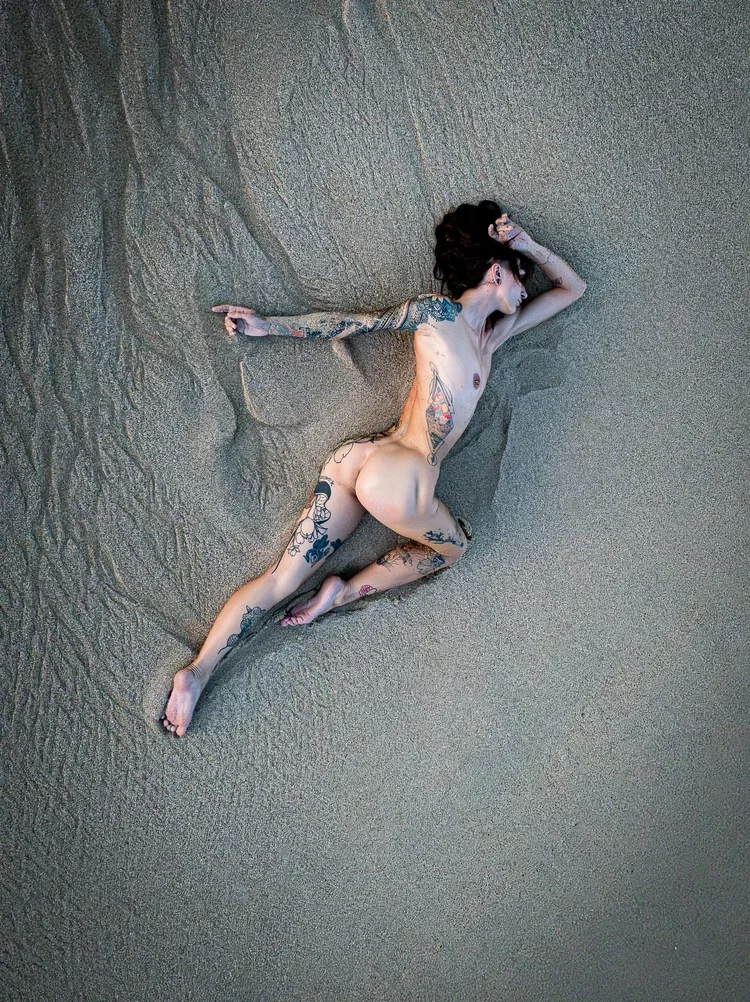
From soft and romantic to bold and editorial, boudoir posing can be infinitely versatile when approached through a MECE framework—mutually exclusive, collectively comprehensive. This ensures you cover all creative territories without repeating ideas, giving you a rich toolkit of poses to draw from in any session.
Begin by exploring pose categories based on interaction: interaction with props, with the environment, with the body, and with emotion. Each category offers distinct visual opportunities that can be tailored to the client’s personality or comfort level. Props introduce structure and playfulness; small spaces offer intimacy and creative angles; body-type-focused posing celebrates unique shapes; and inspiration from past sessions helps guide new concepts.
Mixing these categories throughout your shoot keeps your session dynamic and helps clients explore a full range of expressions and moods. By approaching your posing ideas through a structured yet creative lens, you ensure consistency, variety, and a meaningful experience for your client.
Boudoir Pose Ideas Using Props
Props can transform simple poses into emotionally rich photographs. Chairs are perfect for strong, angular poses or relaxed, slouched silhouettes. Sheets add softness, movement, and modesty while allowing for sensual implied-nude concepts. Windows create natural frames with directional light, offering opportunities for silhouettes, reflections, or contemplative moments. Mirrors introduce creative storytelling through reflections, allowing you to highlight multiple angles of the same pose. Using props thoughtfully makes your posing more dynamic and visually layered.
Boudoir Photography Poses for Small Spaces
Small spaces often produce some of the most intimate and creative boudoir imagery. Corners of beds allow for curled, elongated, or arched poses that showcase shape without requiring large movements. Tight angles—such as pressing against walls or using narrow hallways—help emphasize lines and create striking compositions. Working within limited space encourages you to think vertically and utilize close-up framing, resulting in images that feel personal and cinematic.
Poses for Different Body Types
Boudoir is about celebrating individuality, and posing should highlight each client’s natural beauty. For curvier bodies, poses that emphasize strong S-curves, waist definition, and supported posture create flattering lines. For petite or athletic types, elongating the body through pointed toes, extended legs, or arched backs adds elegant length. Focus on poses that enhance posture, create shape through angles, and highlight areas your client loves most. The goal is confidence, comfort, and authenticity—no matter the body type.
Conclusion
Boudoir photography is more than a collection of flattering poses—it’s an art form built on trust, connection, and thoughtful creative direction. At its heart, boudoir is about guiding clients into a space where confidence can flourish. Every choice you make, from the lighting temperature to the angle of your lens, helps shape an environment where your client feels seen, celebrated, and empowered. When posing is paired with intentional styling, meaningful expression, and supportive coaching, the images become more than photographs—they become reflections of identity, vulnerability, and strength.
Creativity also plays a central role. Each session invites you to reinvent familiar poses, experiment with new ideas, and lean into the unique energy your client brings. Whether you’re using natural window light to sculpt their silhouette, a favorite sweater to create softness, or a dramatic camera angle to elongate lines, your technical decisions elevate the emotional depth of the moment.
Ultimately, boudoir photography thrives at the intersection of confidence, style, and emotion. When you blend these elements with thoughtful execution, every pose becomes a story—one that captures beauty, celebrates individuality, and leaves your client feeling powerful in their own skin.
FAQs:
What are the most flattering boudoir poses for beginners?
Beginner-friendly poses focus on comfort and natural body positioning. Lying on the back, seated poses with gentle curves, or standing poses with soft hip shifts help clients feel grounded while still looking elegant and sensual.
How do I choose the best boudoir pose for my body type?
The best pose highlights the features you love most. Curvier body types benefit from S-curves and supported posture, while petite or athletic frames photograph beautifully in elongated, stretched poses. A skilled photographer guides you toward angles that emphasize your natural shape.
What are the most popular boudoir shoot poses clients request?
Common favorites include the “from-behind” pose, lying on the back with an arched torso, and seated poses that showcase the neckline and shoulders. These poses create flattering lines and offer a balanced mix of softness and strength.
How do I make boudoir poses look natural instead of stiff?
Natural poses come from relaxed expressions and small, micro-adjusted movements. Softening the hands, shifting weight onto one hip, slightly parting the lips, or taking a slow exhale creates authenticity and fluidity in the final image.
What wardrobe works best for different boudoir photography poses?
Wardrobe should complement movement and highlight your silhouette. Bodysuits are great for elongating the torso, bras and panties emphasize curves, while robes, sweaters, and sheets add softness, modesty, or texture depending on the pose.
Can boudoir poses be flattering for people who feel camera-shy?
Absolutely. A great photographer guides you through gentle, supportive poses that feel comfortable and empowering. Simple seated poses, lying-down poses, and poses that incorporate props can ease nerves and build confidence.
Do props help improve boudoir posing?
Yes—props like chairs, mirrors, and sheets offer structure and support. They help you relax, add story to the pose, and create interesting shapes that photograph beautifully.
How important is facial expression in boudoir posing?
Expression shapes the emotional tone of the image. Whether it’s soft, playful, bold, or serene, your photographer will coach subtle cues—like relaxing the jaw or lowering the gaze—to match the mood of your pose.
What lighting works best for boudoir posing?
Soft, directional light is ideal, as it sculpts curves, creates dimension, and flatters skin tones. Natural window light, bounced flash, or diffused studio lighting all help enhance the lines created by each pose.
Can I do boudoir poses in a small room or tight space?
Yes—tight spaces can actually enhance intimacy. Corners, bed edges, and narrow angles allow for curled poses, wall-supported positions, and close-up compositions that feel cinematic and personal.
How do I avoid awkward hand placement in boudoir poses?
Hands should look intentional. Lightly touching the face, tracing the collarbone, resting on the hips, or playing with wardrobe pieces keeps the hands soft and expressive rather than rigid.
What mistakes should I avoid when posing for boudoir photos?
Avoid locking joints, forcing exaggerated poses, or holding your breath. Instead, keep your body relaxed, maintain natural curves, and let your photographer guide you through slow, comfortable movements for the most flattering results.